The Best Security Information and Event Management (SIEM) Vendors for IT Leaders in 2026
Compare the best SIEM vendors for IT leaders in 2026. Cloud-native, hybrid, and enterprise platforms evaluated by deployment model, detection capability, pricing structure, and compliance fit.

Selecting a SIEM platform in 2026 isn't decided by features. Every platform on this list does threat detection, log management, and compliance reporting. The question is which one fits the way your environment is actually built and the way your team actually operates.
Three variables drive that decision more than anything else:
- Deployment model: cloud-native platforms deploy faster and scale more easily. On-premises and hybrid deployments give you more control but require more operational overhead. The right answer depends on your current infrastructure, not on what any vendor's marketing says about cloud.
- Team maturity: some platforms — Splunk, QRadar — are built for experienced SOC teams that can tune detection rules and manage high alert volumes. Others — Sentinel, Sumo Logic — are designed to reduce that operational burden. Matching platform complexity to team capability is the variable most evaluations get wrong.
- Budget model: SIEM pricing scales with data ingestion volume, events per second, or user count depending on the vendor. A platform that looks affordable at your current log volume may become the most expensive line item in your security budget within two years if your environment grows.
Six platforms are covered here: Splunk Enterprise Security, Microsoft Sentinel, IBM QRadar, Exabeam Fusion, Securonix, and Sumo Logic Cloud SIEM. Each section covers deployment, detection approach, pricing structure, and the specific IT environment each platform is built for.
What Makes a SIEM Worth Evaluating in 2026
Before diving into vendors, it’s useful to confirm what modern SIEM tools should deliver:
Core SIEM Capabilities
- Centralized data collection and log management
- Correlation of events across systems
- Real-time threat detection
- Alerting with context
- Searchable historical data for investigation
- Compliance reporting and dashboards
- Integration with multiple security tools
Next-Gen Enhancements
- Behavioral analytics using machine learning
- Automated threat response workflows
- Cloud-native deployment and scalability
- Support for hybrid and multi-cloud environments
- Built-in playbooks and response automation
These advancements help teams reduce alert fatigue and surface meaningful threats faster.
Splunk Enterprise Security
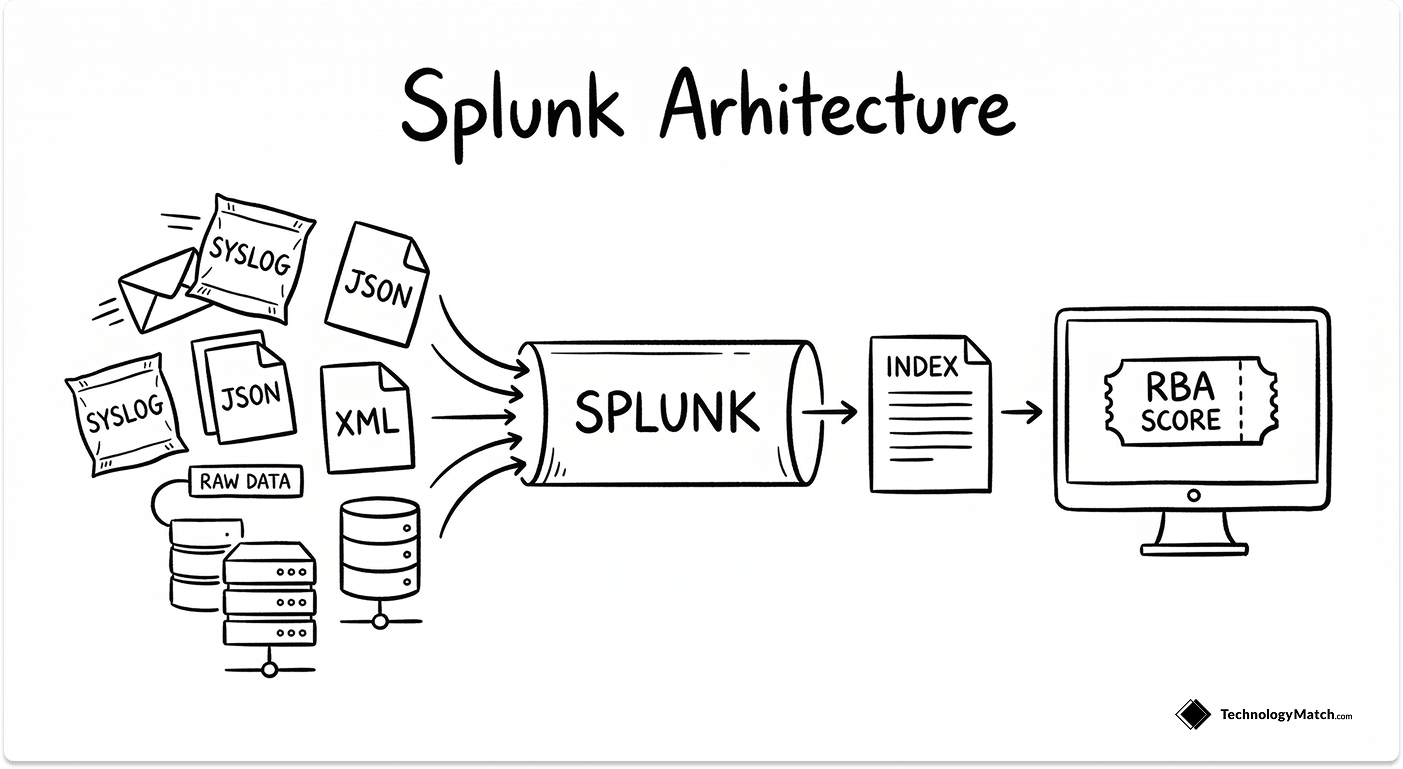
Splunk has long been a benchmark in SIEM, widely used across enterprise security operations. It combines comprehensive analytics, scalable architecture, and deep visibility into security events.
Features
- Extensive data ingestion from cloud sources, endpoints, networks, applications, and more
- Risk-based alerting and prioritized correlation to highlight high-impact events
- Advanced search and investigation tools with customizable dashboards
- Integration with SOAR, UEBA, threat intelligence feeds
- Flexible deployment including Splunk Cloud and on-premises options
Benefits
- Unmatched flexibility across diverse data sources
- Powerful visualizations for analysts and dashboards tailored to use cases
- Wide partner ecosystem for integrations and extensions
- Strong community support and training resources
Where It Excels
Splunk is a strong choice where scale and flexibility matter most. It supports large enterprises, diverse IT ecosystems, and teams that want deep analytics and custom workflows.
Considerations
- Pricing is often based on data volume, which can be expensive at scale
- Deployment requires experienced security staff to configure and tune optimally
- Some advanced features may need additional modules
Splunk’s strength lies in its comprehensive detection capabilities and ecosystem, but this depth requires careful planning and investment.
Microsoft Sentinel
Microsoft Sentinel is a cloud-native SIEM and one of the fastest-growing enterprise options in 2025. Built on Azure, it leverages cloud scale and Microsoft threat intelligence.

Features
- Natively integrates with Azure, Microsoft 365, Defender suite
- Real-time threat detection with AI and analytics
- Automated playbooks using Azure Logic Apps
- Pre-built connectors for many third-party systems
- Searchable logs and interactive investigations
Benefits
- Scales effortlessly without managing infrastructure
- Cost transparency with pay-as-you-go pricing
- Strong automation capabilities for repetitive tasks
- Unified security view if already using Microsoft stack
Where It Excels
Sentinel suits organizations with heavy investment in Microsoft products or a cloud-first strategy. It’s especially attractive for teams that want quick deployment and built-in automation.
Considerations
- Data volume costs can grow quickly if log ingestion is not carefully planned
- Some users find custom analytics rule creation requires significant effort
- Dependence on Azure may matter to organizations with non-Microsoft stacks
For companies already in the Azure ecosystem, Sentinel offers tight integration and rapid time to value.
IBM Security QRadar SIEM
IBM QRadar is known for deep threat correlation and compliance support. It combines SIEM with built-in analytics and event prioritization that helps reduce noise and focus on meaningful alerts.

Features
- Advanced event correlation engine
- Incident prioritization with risk scoring
- Built-in compliance reporting and audit dashboards
- Automated threat intelligence integration
- Flexible deployment: on-prem, SaaS, hybrid
Benefits
- Great at reducing false positives by enriching and correlating events
- Strong compliance capabilities for standards like PCI, HIPAA, GDPR
- Integrates with network monitoring and vulnerability management
Where It Excels
QRadar works well in regions or industries with strict regulatory mandates and where teams need rigorous compliance reporting. It is widely used in finance, healthcare, and government sectors.
Considerations
- Initial setup and tuning can take time
- Integration depth varies with some third-party tools
- Some organizations report that advanced features require careful implementation
For enterprises needing correlation depth and structured compliance workflows, QRadar remains a reliable platform.
Exabeam Fusion SIEM
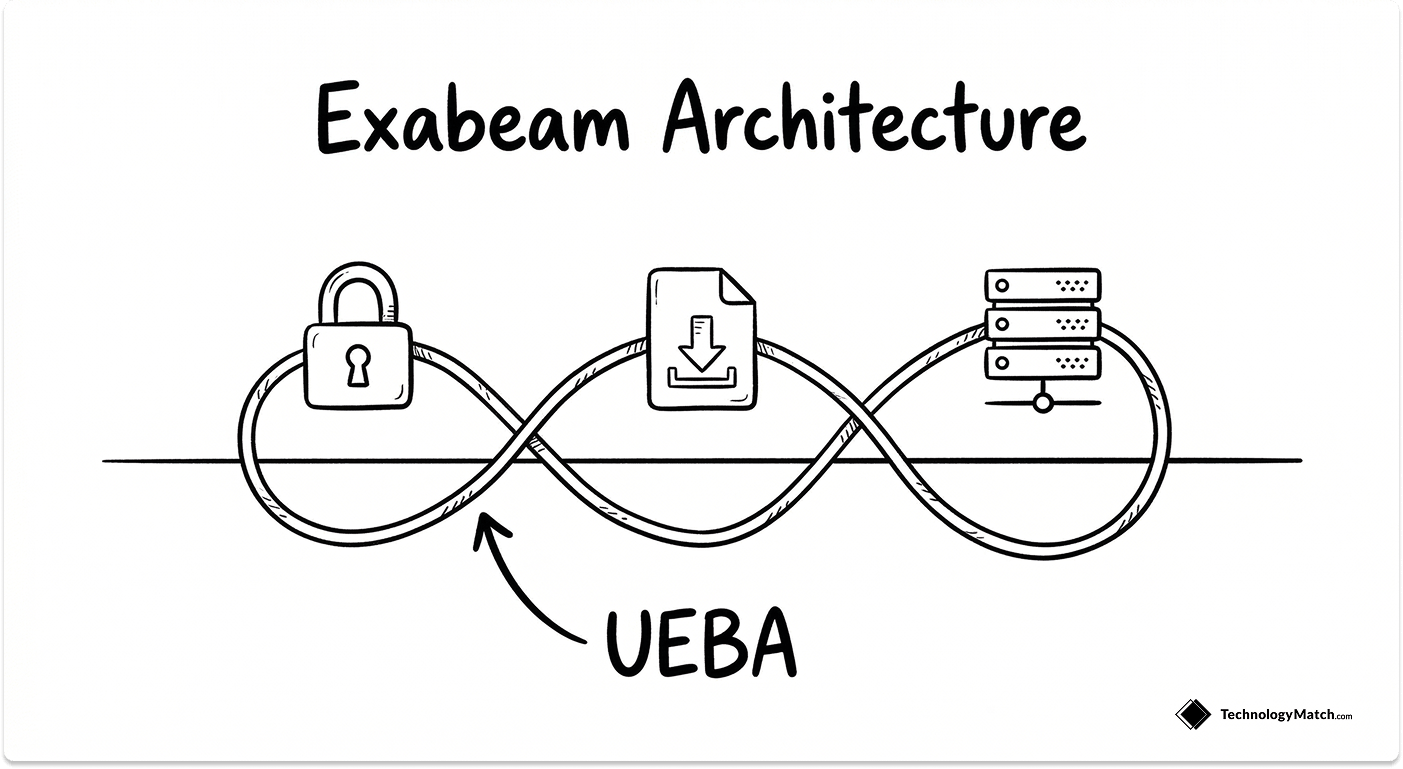
Exabeam represents a next-gen approach to SIEM with a strong focus on behavioral analytics and automation. Its Fusion SIEM blends log analytics with machine learning to identify anomalies that traditional rule-based systems might miss.
Features
- User and Entity Behavior Analytics (UEBA) to spot anomalies
- Automated investigation timelines that show event context
- Integrated SOAR capabilities for threat response automation
- Cloud-native design with hybrid options
- Pre-built and custom detection workflows
Benefits
- Reduces alert fatigue by surfacing prioritized events
- Automatic correlation chains for quicker investigations
- Strong detection of insider threats and subtle attacks
Where It Excels
Teams with mature SOC operations that want smarter analytics and automated workflows gain a lot from Exabeam’s behavioral approach.
Considerations
- Advanced capabilities may require specialized tuning
- Reporting dashboards may be less customizable compared to legacy platforms
Exabeam is ideal for security teams that want context-rich alerts and fewer false positives.
Securonix Next-Gen SIEM
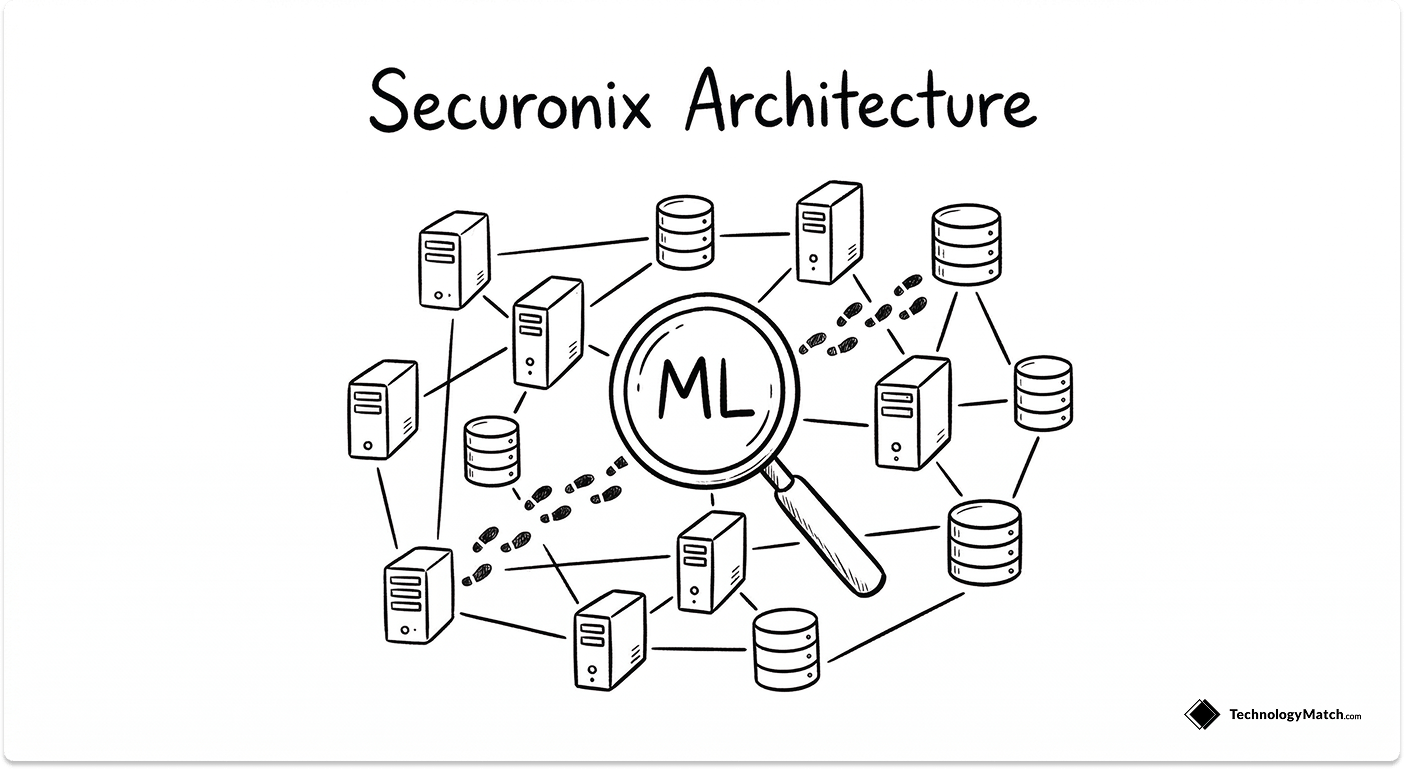
Securonix takes a machine learning-centric approach to behavior analytics and threat hunting. It emphasizes detecting complex and emerging threats, including insider misuse and subtle patterns.
Features
- AI and ML-driven behavioral analytics
- Real-time threat detection for internal and external risks
- Threat hunting tools and advanced anomaly detection
- Scalable, cloud-native architecture
- Integration with many security tools and frameworks
Benefits
- Strong ability to surface unusual user behavior or lateral movement
- Cloud design makes it suitable for multi-cloud and hybrid stacks
- Automated workflows assist with containment and response
Where It Excels
Organizations that want deep insight into user behavior patterns and a platform built for advanced detection and hunting workflows.
Considerations
- May require expertise to optimize models and rules
- Teams new to AI-driven analytics might need ramp-up time
Securonix fits teams that value anomaly detection and proactive hunting.
Sumo Logic Cloud SIEM
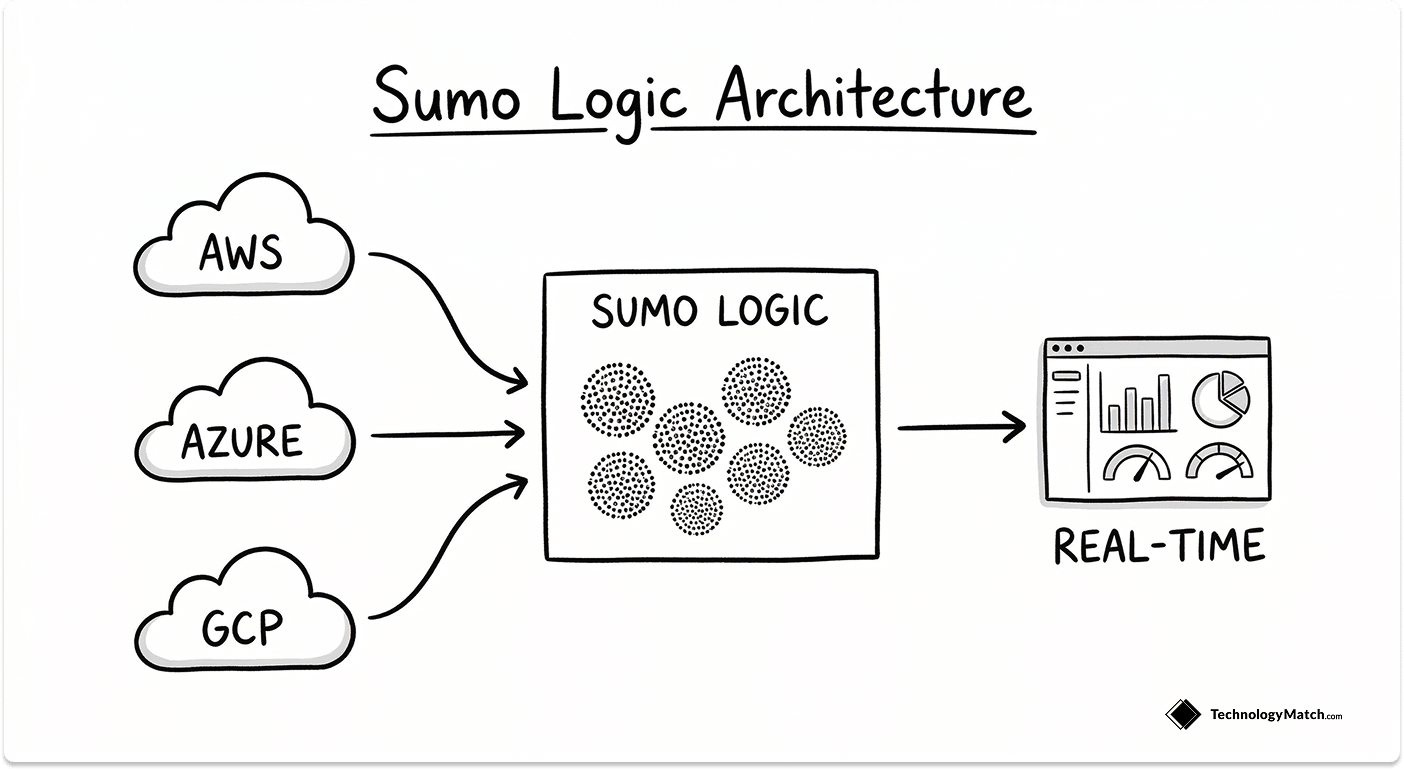
Sumo Logic is a cloud-native SIEM built for modern environments, emphasizing real-time analytics, compliance, and automation. It combines log management with threat detection and visibility.
Features
- Real-time event analysis and anomaly scoring
- Integration with cloud platforms, applications, and hybrid stacks
- Built-in compliance frameworks and templates
- ML-based insights and cluster analysis
- Unified dashboards for cross-environment visibility
Benefits
- Easy deployment with zero hardware footprint
- Strong support for multi-cloud observability
- Focused dashboards and workflows that reduce noise
- Multi-tenant support for MSSPs
Where It Excels
Cloud-centric teams, DevOps-aligned security teams, and mid-sized enterprises that want real-time analytics without heavy infrastructure.
Considerations
- Depth of advanced analytics may be lower than in some next-gen SIEMs
- Pricing and features vary by subscription tier
Sumo Logic strikes a balance between usability and cloud-native analytics.
Questionnaire to Help Decide an SIEM Solution
Comparing SIEM Capabilities
How to Use This Comparison for Decision-Making
Here is a quick orientation to match your organizational needs with the right class of SIEM platform:
If you need deep analytics and flexibility across many data sources
Splunk is a proven choice with extensive customization and ecosystem support.
If your environment is cloud-heavy, especially Microsoft workloads
Sentinel delivers tight integration and automated workflows.
If compliance and structured correlation matter most
QRadar is strong in data prioritization and audit reporting.
If you want intelligent analytics that reduce noise and aid investigation
Exabeam and Securonix provide strong behavior and machine learning capabilities.
If simplicity and cloud scalability are priorities
Sumo Logic gives real-time insights with a relatively gentle learning curve.
Each solution brings strengths and trade-offs. The right fit depends on how your environment is architected, your team’s maturity, and what problems you are most focused on solving.
Final Thoughts
Choosing a SIEM is a high-impact operational decision. The tools covered here represent the most talked-about and widely-adopted SIEM solutions in 2025. They vary in approach, depth, and focus, but all of them help surface threats, centralize logs, and support security operations.
Where you land should be guided by:
- How you manage data (cloud, on-prem, hybrid)
- The skill levels on your security team
- Compliance and audit requirements
- Budget and expected growth
- The importance you place on automated detection and response
Read more: Best Threat Detection and Response Vendors in 2026, Top Identity and Access Management Vendors in 2025, Top 10 most overlooked questions in vendor management
Looking for IT partners?
Find your next IT partner on a curated marketplace of vetted vendors and save weeks of research. Your info stays anonymous until you choose to talk to them so you can avoid cold outreach. Always free to you.
FAQ
What is the best SIEM solution for enterprises in 2026?
The best SIEM solution depends on enterprise size, data volume, and security maturity. Large enterprises often look for SIEM platforms that offer strong scalability, advanced analytics, and compliance reporting. Tools like Splunk and IBM QRadar are commonly evaluated for complex environments, while cloud-native options may suit enterprises moving workloads to the cloud.
How do I choose the right SIEM vendor for my organization?
Choosing the right SIEM vendor starts with understanding your needs. Key factors include deployment model (cloud, on-prem, or hybrid), log volume, integration with existing security tools, compliance requirements, and budget. Comparing SIEM vendors based on features, pricing models, and operational complexity helps narrow down options that align with your environment.
What is the difference between cloud-native SIEM and on-prem SIEM tools?
Cloud-native SIEM tools are hosted and managed in the cloud, offering easier scalability and faster deployment. On-prem SIEM tools provide more control over data and infrastructure but require more maintenance. Hybrid SIEM solutions support both models, which can be useful for organizations with mixed environments.
Are SIEM tools still relevant with XDR and SOAR platforms?
Yes. SIEM tools remain relevant because they centralize logs and security events across the entire IT environment. While XDR and SOAR focus on detection and response, SIEM provides the data foundation, correlation, and historical context needed for investigations, compliance, and long-term security visibility.
How much does a SIEM solution typically cost?
SIEM pricing varies by vendor and is often based on data ingestion volume, events per second, or subscription tiers. Costs can range from moderate to high depending on log volume, retention needs, and advanced features like automation or behavioral analytics. Understanding long-term data growth is critical when estimating total cost of ownership for a SIEM platform.